


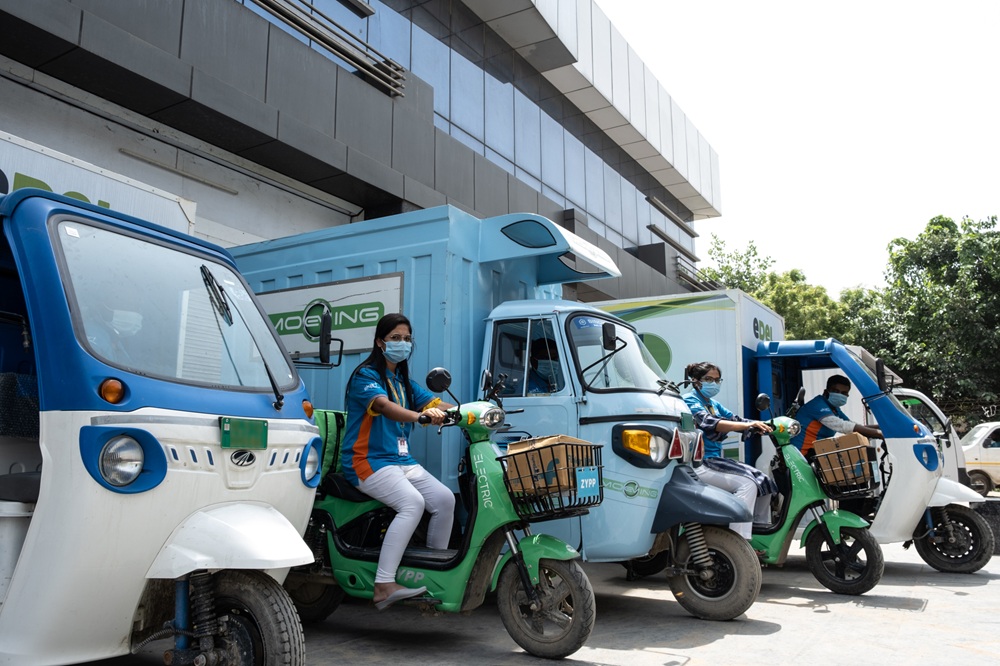
Flipkart, India’s homegrown e-commerce marketplace, released “TheLast-Mile Leap: Empowering Delivery Fleets to Accelerate India’s Electric MobilityTransition,” a white paper based on insights from a survey of more than 6,000 Wishmasters(delivery partners) across India. According to the study, delivery partners across Gujarat areshowing strong readiness to adopt electric mobility, with 54% of the surveyed cohort in thestate expressing willingness to transition to electric vehicles (EVs). The findings highlightstrong potential for EV adoption among delivery fleets in the state.“Sustainability at Flipkart is about creating a value-led ecosystem that benefits the planet andthe people who power our platform. For delivery partners, vehicle choice is ultimately aneconomic decision. Electric vehicles have the potential to significantly reduce operating costswhile improving income stability. At the same time, last-mile delivery represents one of the mostpractical segments for electrification given its high utilisation and urban footprint,” said NishantGupta, Head of Sustainability, Flipkart Group. “Our experience shows that when ecosystemenablers, from financing and charging infrastructure to servicing support, come together, EVadoption can scale quickly while delivering both livelihood and environmental benefits.” The initiative reflects Flipkart’s broader commitment to transition its entire last-mile delivery fleetto electric vehicles by 2030 as part of its EV100 pledge.Strong Interest in EV Adoption Among Delivery PartnersThe study indicates significant interest in EV adoption among delivery partners. Approximately46% of respondents across the country expressed willingness to transition to electricvehicles, signalling strong readiness within the workforce. However, adoption remains limitedtoday, with 94.3% of delivery partners currently relying on petrol-powered two-wheelers.The findings suggest that the gap between intent and adoption is primarily driven by structural barriers rather than behavioural resistance.